

Blog Post
Recyclability and End-of-Life: Sustainable Disposal of Plastic Cases
Every durable product reaches a point where it is retired, replaced, or upgraded, and plastic cases are no exception. Planning for end-of-life is not just about “where it goes” after use. It is about how to extend service life first. Then, separate materials cleanly so the remaining components have the best chance of being reused or recycled.
For organizations that issue cases to field teams or support OEM products, end-of-life decisions can become a repeatable process. The goal is simple: reduce waste, protect data and safety, and keep valuable materials in circulation whenever possible.
Understanding What “Recyclable” Really Means for a Plastic Case
Recyclability of plastic cases depends on two things. It is about what the case is made of, and what your local or regional recycling system actually accepts. Many molded plastic cases are made from common thermoplastics such as HDPE, which is widely recognized as Plastic #2 and is considered highly recyclable in many curbside programs and commercial recycling streams.
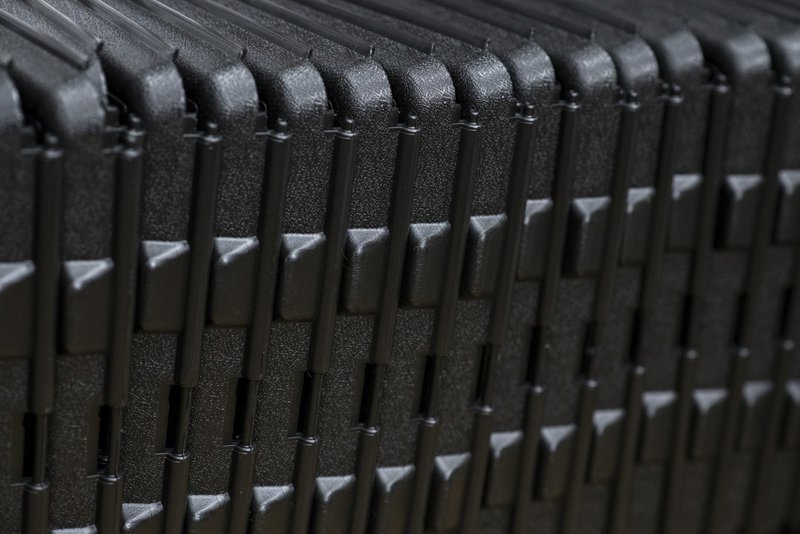
Some plastic cases and components may also use polypropylene (PP), identified as Plastic #5, which is recyclable but still not accepted everywhere and often has lower recycling rates than HDPE.
A common end-of-life pitfall is assuming the chasing-arrows symbol guarantees recyclability. Recycling facilities care about consistent resin type, low contamination, and clean sorting. When a plastic case contains mixed materials such as metal hardware, labels, and foam interiors, that “mixed bill of materials” can reduce the likelihood that the entire unit can go into a single recycling stream without disassembly.
Extending Plastic Case Life Before End-Of-Life
The most sustainable plastic cases are durable ones that stay in use longer. Before retiring a case, it is worth checking whether it can be reassigned, repaired, or refreshed.
For organizations managing fleets of cases, a simple inspection and triage routine can prevent premature disposal:
- Check function first: latches, hinges, handles, and sealing surfaces; minor repairs may restore usability without replacing the full case.
- Reassign and standardize: move lightly used cases to lower-risk applications, and reserve the best-fitting cases for high-value equipment.
Extending usable life reduces material demand upstream and postpones end-of-life challenges downstream, while keeping protection performance consistent for the end user.
Disassembly and Material Separation Best Practices
When a plastic case truly reaches retirement, the best environmental outcome usually comes from separating materials so each can go to the right destination. HDPE and PP parts have better odds of being recycled when they are clean, sorted, and free of mixed-material attachments. Metal components may be recyclable in scrap streams. Labels and adhesives can be contaminants in plastics processing if they are not removed.
Foam is often the most complicated component of a plastic case. Many foams are bulky and low-density, which makes transportation and handling inefficient, and certain foam types can be difficult or costly to recycle without specialized programs.
EVA foam, for example, can be recycled in some settings. However, it is frequently described as challenging due to material structure and logistics, so availability varies by region and recycler capability.
Use a consistent end-of-life checklist so cases are handled the same way every time:
- Identify resin codes. Look for Plastic #2 (HDPE) or Plastic #5 (PP) marks and sort accordingly.
- Separate non-plastic parts. Remove metal latches or pins when feasible so plastics are cleaner for reprocessing, and metals can go to scrap.
- Keep plastics clean. Dirt, oils, and heavy residue can downgrade recyclate quality and reduce acceptance.
If disassembly is not practical, consider commercial recyclers that accept bulky rigid plastics or take mixed loads.
Environmental Considerations for Retired Cases in Real Operations
End-of-life planning becomes more effective when it matches the reality of how plastic cases are used. Retired cases may carry more than wear and tear. They can contain product identifiers, asset tags, or documents that should be removed for data protection and brand control before any recycling or donation. In regulated environments, they may also have contamination concerns, so reuse or donation might be inappropriate even if the case looks intact.
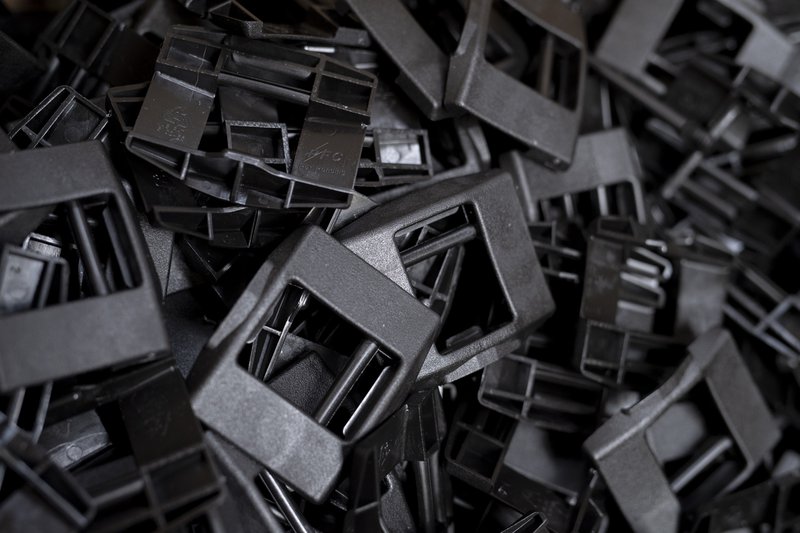
Finally, if your organization specifies new cases, it is worth aligning procurement with end-of-life goals. Cases made from widely recycled resins and designed to be serviceable can reduce future disposal complexity.
Building a Smarter Case Lifecycle With The Plastic Forming Company
As highlighted in the lifecycle analysis, the sustainability of a plastic case is determined long before it reaches its end-of-life. By prioritizing durable materials like high-density polyethylene (HDPE)—which is widely recognized as a highly recyclable plastic—you can ensure your equipment protection aligns with circular economy goals.
At The Plastic Forming Company (PFC), we engineer our blow molded cases for maximum longevity. Since our cases are crafted from premium, impact-resistant HDPE with color integrated directly into the material, they are designed to withstand years of demanding use without chipping or peeling.
Furthermore, our scratch-resistant Mold-Tech™ finish ensures that our cases maintain their integrity and aesthetic appeal throughout their entire service life, reducing the need for premature replacement. When the time eventually comes for retirement, the consistent material composition of a PFC case makes it easier to manage through standard recycling streams.
Are you ready to invest in protective solutions that balance superior performance with long-term sustainability? Let’s build a smarter lifecycle for your equipment. Contact The Plastic Forming Company today to discuss how our durable, recyclable blow molded cases can be tailored to meet your organization's specific requirements.