

Blog Post
The Hidden Value of Lid Flaps and Interior Dividers
In high-stakes industries, from audio-visual production and field engineering to medical services, the safety of sensitive equipment hinges on more than just the rugged outer shell of equipment carry cases. While an impact-resistant exterior keeps the elements out, the real protection happens on the inside. Lid flaps and interior dividers play a critical, often underrated role in case design by preventing internal migration, absorbing shock, and accelerating workflow.
By optimizing internal geometry, these components ensure that expensive tools remain secure, organized, and instantly accessible under pressure. Here is a closer look at the hidden engineering value and operational benefits of thoughtful interior organization in carry cases.
Why Organization Matters in Carry Cases
A carry case is not just packaging. It travels with a product throughout its entire lifecycle. Every time an end user opens it, the case makes a brand statement.
A disorganized interior sends the wrong message. Components shift during transport. Shifting components crumple manuals. Cables tangle with the main product. These small frustrations add up. They affect how users perceive the quality of what's inside. Well-designed organizational features solve this before it becomes a problem.
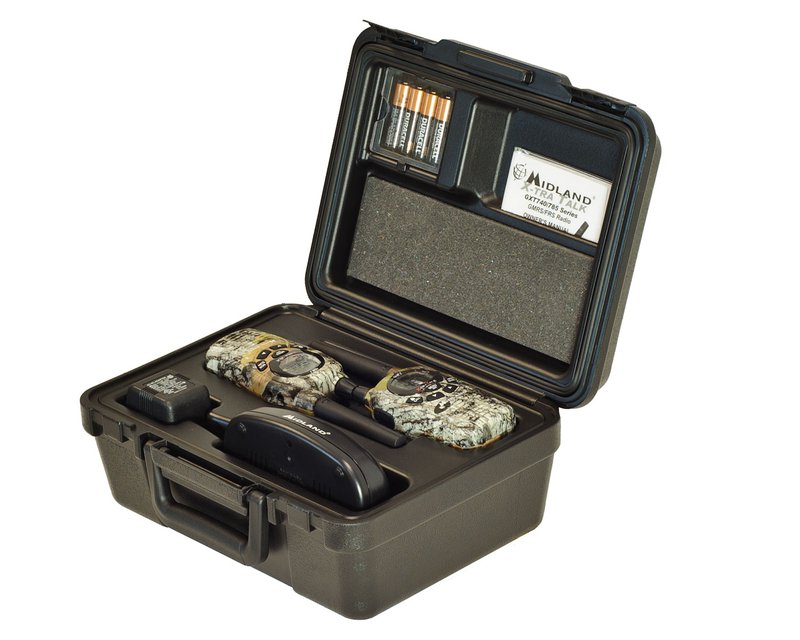
Investing in organized storage solutions is not merely about convenience; it is about extending the functional lifespan of the tools and equipment within. When you secure every component in its designated place, you significantly reduce the risk of damage from internal collisions or environmental exposure.
Beyond simple convenience, strategic interior layout extends the operational longevity of the enclosed equipment. Keeping each component firmly anchored in its designated position mitigates the risk of damage caused by internal impacts and environmental contact.
Ultimately, internal geometry ensures that critical tools remain protected and instantly accessible under demanding conditions. Below is an exploration of the functional benefits and design value that intentional organization provides to equipment cases.
The Importance of Strategic Layout
An equipment case is far more than mere packaging; it accompanies a product through every stage of its lifecycle, reinforcing brand perception every time it is opened.
Conversely, a cluttered interior compromises that impression. When parts shift during transit, manuals get bent and cables become entangled with the primary equipment. These minor irritation points collectively detract from the perceived quality of the product. Integrating organized storage solutions proactively resolves these issues.
The Practical Role of Lid Flaps
Lid flaps serve as a highly functional addition to any carry case, forming a distinct pocket within the lid area that isolates items from the primary storage space.
This dedicated area is ideally suited for holding:
- Product manuals and documentation
- Quick-start guides or warranty cards
- Thin accessories and smaller cables that do not need foam protection
- Marketing inserts or branded literature
Keeping these items in the lid means they:
- Are immediately visible when the case is opened
- Stay flat and protected
- Do not compete for space with the main product
- Are easily accessible, facilitating smooth workflows
Optimizing Equipment Layout
Anyone whose product features multiple components knows the challenge: small parts shift, cables wrap around other items, and accessories disappear into corners.
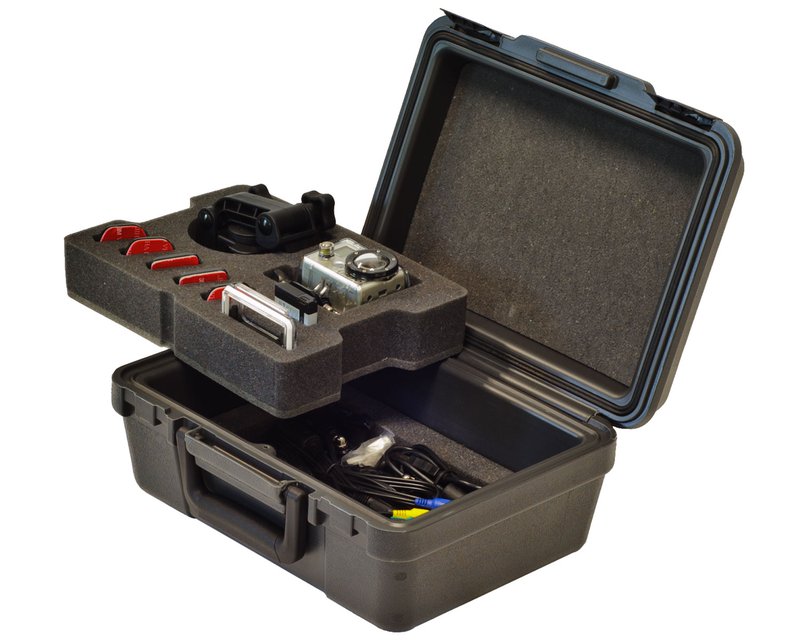
This mirrors the exact challenge a tool box organizer solves in professional trades. By providing clear, dedicated spaces for every single item, the organizer ensures components do not migrate or get lost during transit.
Interior dividers bring this identical logic to equipment carry cases. They partition the primary compartment so that each individual component occupies its own zone, resulting in a significantly more functional case and a superior experience for the daily user.
Dividers are especially valuable for:
- Multi-piece equipment kits with cables and adapters
- Medical or diagnostic devices with multiple attachments
- Test and measurement tools that include probes or accessories
- Field equipment with batteries, chargers, and spare parts
Brand Impression and the End-User Experience
Consider the professional opening your case at a client meeting, in a medical clinic, or on a busy job site. Unconcerned with the manufacturing process, their sole expectation is that every component is exactly where it belongs.
An intentionally organized layout demonstrates foresight, signaling to customers that the product was developed with practical use in mind. This attention to detail builds trust and reinforces the inherent value of your offering. Furthermore, enabling users to locate parts quickly minimizes confusion, enhances efficiency, and directly reduces customer support inquiries.
In essence, strategic organization eliminates friction from the user's daily workflow. Ensuring that documentation isn't lost under heavy machinery and that the necessary accessories are always accessible elevates the carry case from a basic container to a vital element of the product's value proposition.
Integrating These Organizational Features Into Our Cases
At The Plastic Forming Company, our lid flaps are intentionally engineered from day one to accommodate literature and product manuals, making them a standard integrated element rather than a secondary addition.
Every case we manufacture is purpose-built from its inception. We collaborate directly with OEMs to develop internal layouts that align perfectly with their specific equipment requirements. Whether your application demands a fully integrated custom molded interior, a layered foam configuration, or specialized organizational components like internal dividers, we build the entire solution around your product.
With a history dating back to 1966, we have developed carrying solutions for over 5,000 distinct items. Our domestic team manages every phase of production completely in-house, including design, mold engineering, and final manufacturing within the USA.
If the presentation and internal layout are critical to how your equipment is perceived, let's explore the perfect configuration for your project. Send us a message today to discuss your requirements.