

Blog Post
Why Custom-Molded Interiors Protect Better Than Foam
When protecting sensitive, high-value equipment, the structural integrity of your custom cases is often the only thing standing between safe transit and catastrophic damage. While traditional foam inserts have served as the go-to padding for decades, they are far from the ultimate safeguard against severe impacts, moisture, and long-term wear. Enter blow-molded interiors; a precision-engineered solution built to cradle your gear while absorbing shock far more effectively than standard materials. Here is a closer look at the engineering behind blow-molding and why it consistently outperforms foam to provide the ultimate protection for your most critical assets.
How Foam in Custom Cases Falls Short Over Time
Foam is a common first choice for protective interiors. It's familiar, and it's easy to understand, however, its performance can degrade with long-term use.
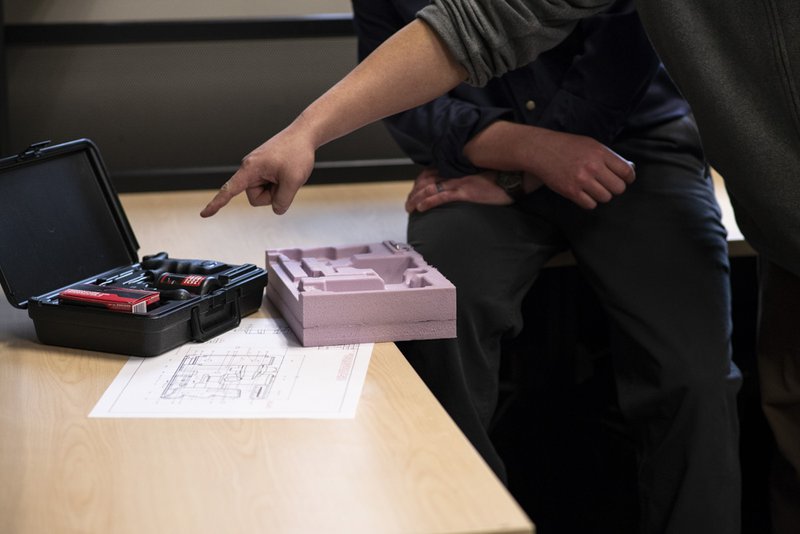
Every time you remove and reinsert a product, you compress the foam a little more. Over time, it loses its ability to return to its original shape. That means the snug, supportive fit it had on day one gradually disappears.
For B2B customers with field teams or frequent end-user interaction, this is a real concern. The case that protected the product in month one may offer significantly less support by month twelve.
Furthermore, foam's porous nature can create sanitation and cleaning challenges, as it can trap dust, moisture, and contaminants within its structure. In contrast, non-porous molded interiors provide a superior solution for sensitive equipment, offering a surface that is easy to wipe down and resistant to absorption, ensuring a higher standard of cleanliness over time.
When Foam Is a Good Choice for Custom Cases
While molded interiors offer significant long-term advantages, foam remains a highly effective solution in specific scenarios. It is an excellent choice when:
- Prototyping and Iteration: Foam is easy to modify, making it ideal for the early stages of product development where equipment designs might change frequently.
- Small Production Runs: For low-volume production where the cost of custom tooling for a molded interior might not be justified, foam provides a cost-effective, protective alternative.
- High-Fragility Items: Certain delicate, irregular-shaped items benefit from foam's ability to provide a soft, conforming cushion that evenly distributes impact across the surface of the object.
- Rapid Turnaround Needs: Since foam inserts can be cut and shaped quickly without complex tooling processes, they are a practical solution when you have immediate needs for packaging.
What a Molded Interior Does Differently
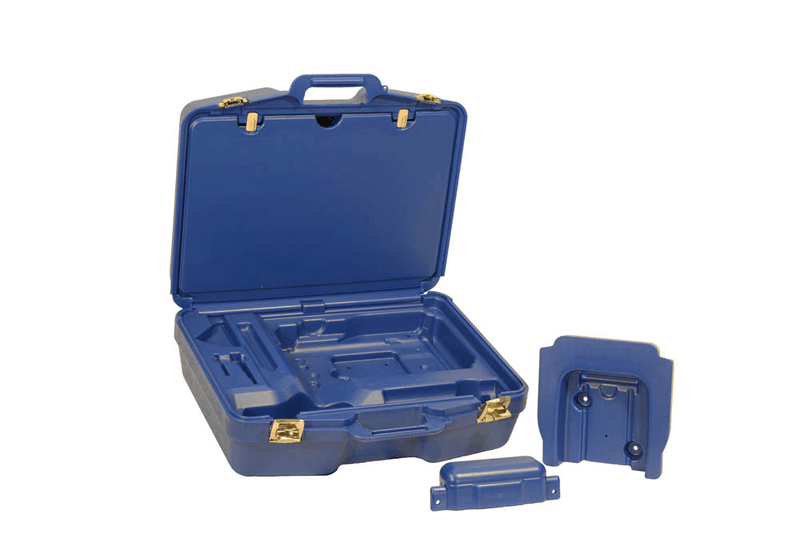
A molded plastic interior holds its shape. It doesn't compress, shift, or degrade the way foam does under repeated use. This consistency matters for a few key reasons:
- Repeatable fit: The product sits in exactly the same position every single use, reducing the chance of damage during transport or handling
- Structural support: Molded interiors cradle products at specific contact points, distributing pressure intentionally rather than uniformly
- Long-term reliability: Unlike foam, molded plastic doesn't break down with regular use cycles, maintaining performance across the full product lifecycle
- Reduced replacement cost: Foam interiors degrade, so users may need to replace them periodically. By contrast, manufacturers build a molded interior as part of the case itself, designing it to last.
For OEMs, this translates directly to fewer product damage complaints and a more professional end-user experience.
The Lifecycle Advantage for OEMs
Think about the total cost of a protective case over three to five years. Foam may appear less expensive upfront, but it is actually heavier than a blow-molded interior and more expensive in the long run for B2B customers. Add in potential replacement cycles, and the cost gap widens further.
A molded interior is part of the case, not added to it. It is formed during the same manufacturing process, which means it fits with precision.
Over a product's full lifecycle, that precision pays off:
- Fewer instances of product movement inside the case
- Consistent appearance and function for the end user
- A case that still looks and performs like new after years of regular use
- Stronger brand perception, since the case is often the first tactile impression of the product
The Impact on Your Custom Case Offerings
Rather than utilizing standalone inserts added post-production, The Plastic Forming Company builds molded interiors directly into the blow-molded structure as a permanent, built-in element.
By blending standard mold tooling with tailor-made elements optimized for your equipment, our blow-molding method provides the double-wall strength and exact fit you require. This strategy can also lower tooling expenditures by 80% to 90%.
A custom-molded interior serves as an excellent long-term option for OEMs needing protective packaging that matches the durability of their gear. Operating completely in-house within the United States, we manage each phase of the process for mid-sized manufacturers across numerous sectors, spanning from design and mold engineering to final production.
Connect with us to explore how a custom-molded interior can be tailored to safeguard your specific product lineup. Contact us today to discuss your requirements.