

Blog Post
Why Your Case Should Never Rust: The Chemical Resistance of HDPE
When it comes to choosing protective storage cases for your equipment and products, the construction material matters more than most people realize. High-density polyethylene, or HDPE, is the material behind some of the most dependable cases on the market. Understanding why it resists corrosion and chemical damage can help OEMs make smarter, longer-lasting decisions.
Metal cases may look rugged, but they carry a hidden liability: rust. HDPE cases sidestep that problem entirely. The material's molecular structure makes it naturally resistant to moisture, chemicals, and environmental stressors, which is a major advantage for manufacturers who need reliable protection across varied field conditions.
What Makes HDPE So Resistant in Protective Storage Cases
The chemical resilience of an HDPE case stems from its status as a non-polar polymer. Since the material lacks a positive or negative charge, it does not readily bond with most chemicals, solvents, or moisture. This molecular indifference means the case repels water at the surface level rather than absorbing it.
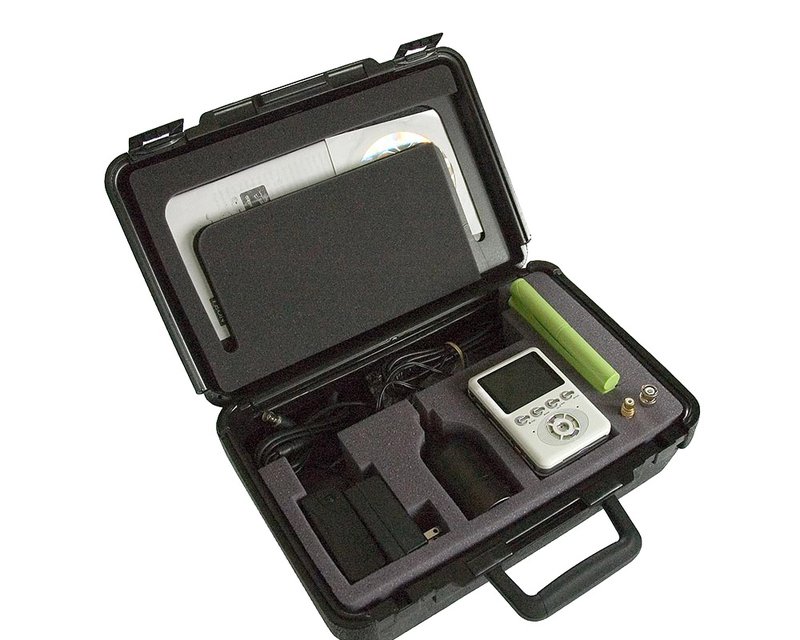
Furthermore, this non-polar structure prevents the plastic from swelling or weakening over time, even when submerged or exposed to harsh environments. Unlike other materials that might degrade or leach when in contact with industrial fluids, high-density polyethylene maintains its physical dimensions and structural integrity.
Crucially, this resistance is not a superficial coating or an additive that can flake off; it is built into the material itself. While protective finishes on metal or lesser plastics eventually wear thin, the chemical defense of HDPE remains consistent throughout the entire thickness of the case wall.
The Environments Where It Counts
Not all products live in clean, climate-controlled environments. Many manufacturers supply equipment used outdoors, in industrial facilities, or in the field. Those settings expose cases to:
- Cleaning solvents and disinfectants used during maintenance cycles
- Moisture from rain, humidity, condensation, or washdowns
- Oils, fuels, and other industrial fluids common in fieldwork environments
- Alkaline and acidic compounds encountered in manufacturing or lab settings
HDPE holds up well against all of these. That resilience directly extends the usable life of the case. It also protects the contents inside from indirect exposure caused by case degradation.
Why Metal Cases Fall Short
Steel and aluminum cases have their place, but they come with real trade-offs. Rust is the most obvious one. Even coated metal cases can corrode when the finish is scratched or chipped, which happens with regular use.
Beyond rust, metal cases can dent and deform. A dented case may no longer close securely. It can compromise the fit of the interior and leave contents vulnerable. Repair is often costly, and replacement adds up over time.
HDPE cases do not rust, and they resist denting far better than thin metal shells. The double-wall blow-molded construction adds structural integrity without relying on hard rigidity. The result is a case that absorbs impact rather than transferring it inward.
Long-Term Value for OEM Protective Storage Cases
For OEMs, the total cost of ownership matters as much as the upfront price. A case that degrades quickly, corrodes in the field, or fails to protect its contents is a liability. It reflects poorly on the product it carries and on the brand attached to it.
HDPE protective storage cases offer a more dependable long-term investment. They maintain their structural and protective properties across years of regular use. They do not require repainting, re-coating, or rust treatment. Less maintenance means lower overhead and fewer replacement concerns.

These factors are especially relevant when cases are deployed at scale. Across dozens or hundreds of units in the field, material durability creates measurable savings and fewer headaches.
How PFC Builds Around HDPE's Strengths
At The Plastic Forming Company, every case in our line is blow-molded from HDPE using a double-wall construction process. This approach yields cases that are tough, lightweight relative to their protection level, and resistant to the environmental challenges described above.
Our custom molded interiors take this further. Rather than a separate foam insert dropped into a generic shell, our molded interior is formed as part of the case itself. It is integrated during the blow-molding process. The result is a precise, snug fit for your product.
We also offer foam interiors built with multiple-density layers. These provide graduated protection, cushioning your product against impact during transportation. Whether you need a stock case or a fully customized solution, our team works with you directly from design through manufacturing, all in the USA.
Ready to Spec a Case That Won't Let You Down?
If you're an OEM evaluating protective storage cases for your product line, material selection is the right place to start. Let's talk about what your product needs, where it goes, and how we can build a case that holds up through all of it. Reach out to us today and let's get started.